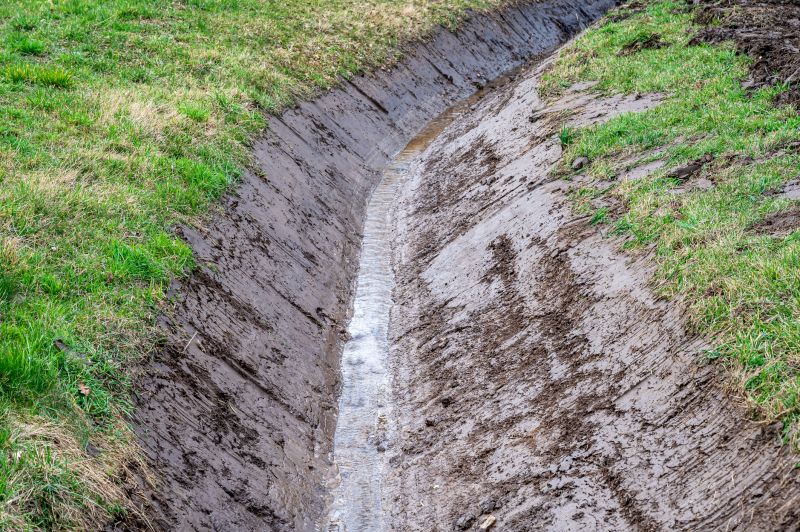
Ditch Installation in Atlanta, GA
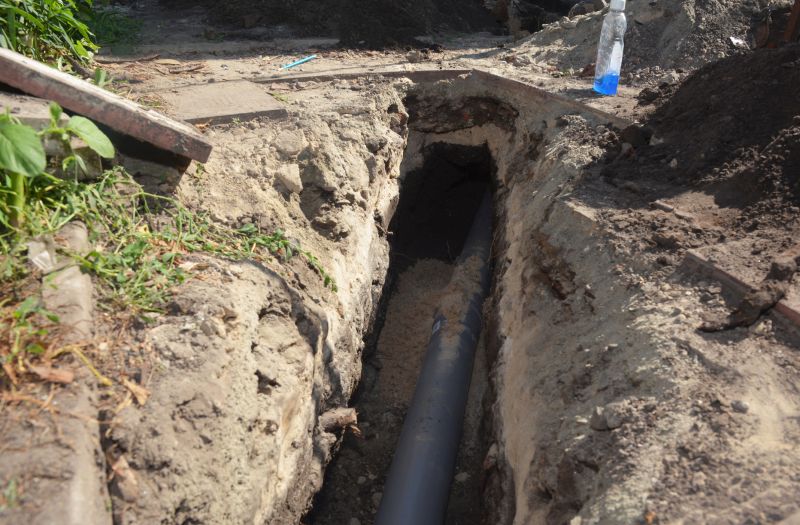
Ditch installation services involve creating underground channels or barriers to manage water flow, prevent erosion, and improve drainage around residential properties. These projects typically include installing French drains, underground pipes, or other drainage systems to redirect excess water away from foundations, basements, or landscaping areas. Homeowners often request ditch installation when experiencing persistent water pooling, flooding issues, or soil erosion that affects the safety and stability of their property.
Before requesting ditch installation, property owners usually want to understand the scope of the project, including the size and layout of the area to be drained, the type of soil, and the source of water problems. It’s also important to consider any existing underground utilities or structures that may impact the installation process. Proper planning ensures the drainage system effectively addresses water management needs and integrates seamlessly with the property’s landscape.
Many property owners in Atlanta, GA look into Ditch Installation for repairs, replacements, upgrades, and appearance-related improvements.
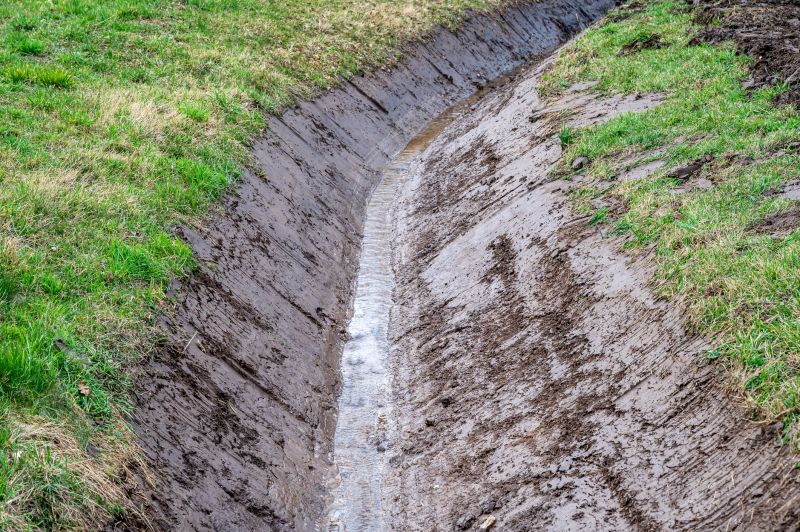
Drainage Solutions
Ditch installation helps manage water flow and prevent flooding on residential and commercial properties.
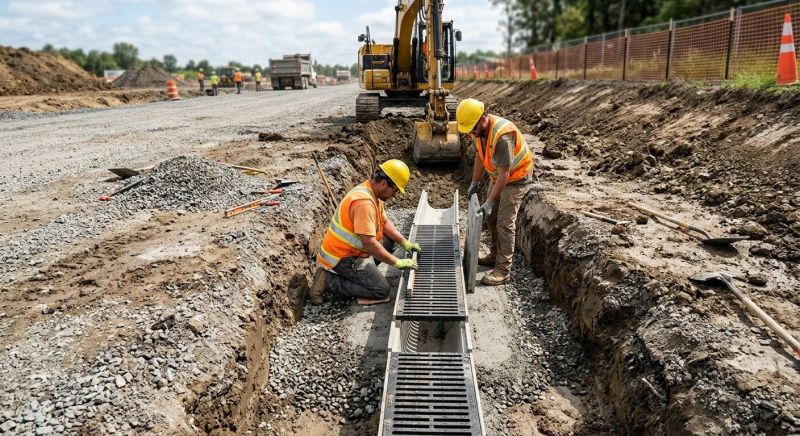
Erosion Control
Properly installed ditches can reduce soil erosion and protect landscaping in atlanta neighborhoods.
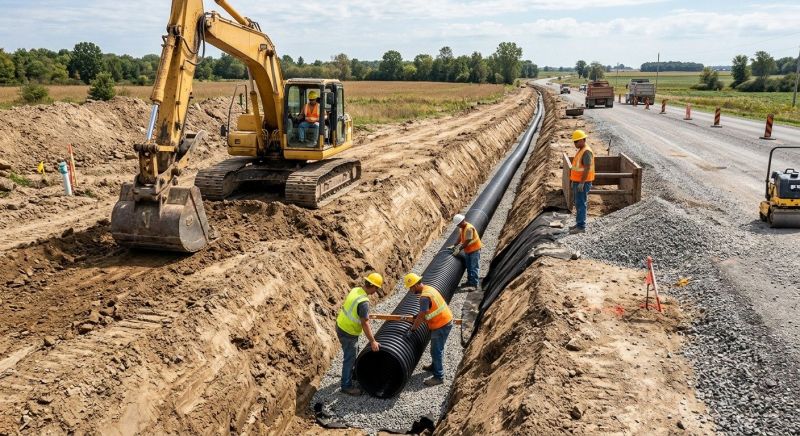
Property Drainage Planning
Custom ditch systems are designed to direct excess water away from foundations and walkways effectively.
Ditch Installation in Atlanta, GA

Ditch installation services involve creating underground channels or barriers to manage water flow, prevent erosion, and improve drainage around residential properties. These projects typically include installing French drains, underground pipes, or other drainage systems to redirect excess water away from foundations, basements, or landscaping areas. Homeowners often request ditch installation when experiencing persistent water pooling, flooding issues, or soil erosion that affects the safety and stability of their property.
Before requesting ditch installation, property owners usually want to understand the scope of the project, including the size and layout of the area to be drained, the type of soil, and the source of water problems. It’s also important to consider any existing underground utilities or structures that may impact the installation process. Proper planning ensures the drainage system effectively addresses water management needs and integrates seamlessly with the property’s landscape.
Many property owners in Atlanta, GA look into Ditch Installation for repairs, replacements, upgrades, and appearance-related improvements.
Common Ditch Installation Jobs
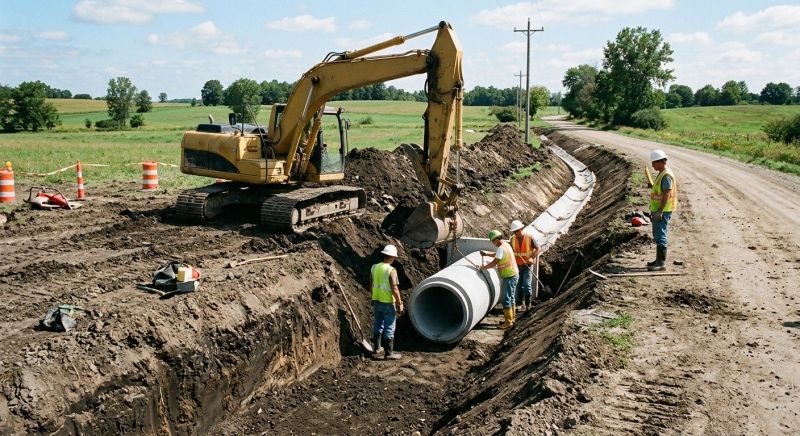
Drainage Ditch Installation - helps manage excess water and prevent flooding around the property.
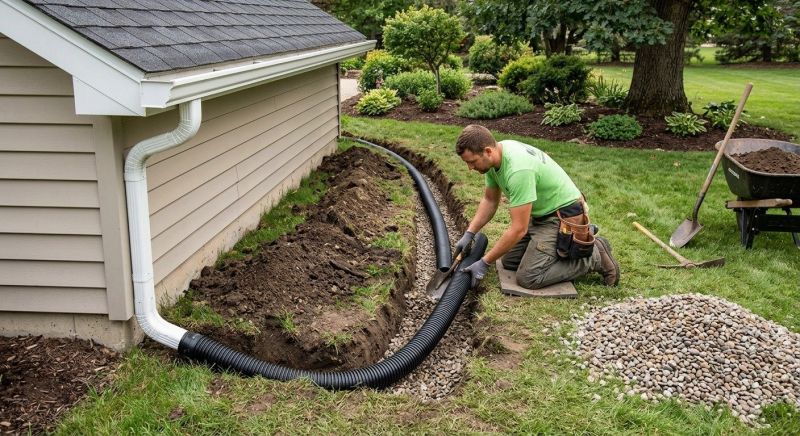
French Drain Systems - installed to redirect groundwater away from foundations and basements.
Swale Construction - creates natural channels to control stormwater flow on sloped terrain.
Dry Creek Beds - designed to enhance landscape aesthetics while guiding water runoff safely.
Channel Ditches - built along driveways or walkways to prevent erosion and pooling.
Erosion Control Ditches - installed to protect slopes and prevent soil loss during heavy rains.
Ditch Installation Questions
What is the purpose of a ditch installation? Ditch installation helps manage water runoff, prevent erosion, and improve drainage around a property.
What types of projects typically require a ditch? Ditches are commonly used for yard drainage, stormwater management, or directing water away from foundations.
How long does a typical ditch installation take? The duration depends on the size and complexity of the project, but it generally involves a few hours to a full day.
What materials are used for ditch installation? Common materials include natural soil, gravel, or concrete, depending on the drainage needs and project specifications.
Request Ditch Installation in Atlanta, GA
Use the quote form on this page to share the basics of your project and request more information for the type of work you need.